

ADVERTISEMENT
Soft-power leadership methods reshape the way leaders connect with their teams and communities. Emphasising influence over authority, these methods cultivate trust and collaboration. Leaders adept in soft power inspire through vision, empathy, and shared values.
The effectiveness of soft-power leadership is evident in its widespread application across sectors. This approach fosters a positive environment that empowers individuals to thrive and innovate.
ADVERTISEMENT
Curious about how soft-power leadership can enhance your influence? Keep reading to discover powerful insights and practical strategies!
Understanding Soft-Power Leadership
Understanding soft-power leadership is essential in today’s world. This approach focuses on influence rather than authority. Leaders who use soft power build connections that inspire and motivate others.
Soft-power leaders often rely on their ability to communicate effectively. They listen, empathise, and foster relationships that create a positive environment. By doing this, they encourage teamwork and collaboration.
This style of leadership values trust and respect. Soft-power leaders understand that making people feel valued leads to loyalty and commitment. This is how they create lasting change and impact within their teams and communities.
The Principles of Soft Power
The principles of soft power revolve around influence and connection. Unlike hard power, which relies on force or coercion, soft power focuses on persuasion and attraction. This means leaders use values, ideas, and respect to gain support from their teams and communities.
One key principle of soft power is building trust. Leaders who show honesty and integrity inspire confidence in others. When people trust their leader, they are more likely to be open and cooperative in achieving common goals.
Another important principle is effective communication. Soft-power leaders listen actively and engage in meaningful conversations. By understanding the needs and feelings of others, they create a sense of belonging and unity, helping everyone work together toward success.
Benefits of Soft-Power Leadership
Soft-power leadership offers many benefits that enhance teamwork and productivity. First, it builds strong relationships based on trust and respect. When team members feel valued and connected, they are more likely to collaborate effectively and share ideas freely.
Another benefit is improved loyalty among team members. Leaders who practice soft power inspire dedication and commitment. When people believe in their leader’s vision and approach, they work harder to achieve common goals and support one another.
Additionally, soft-power leadership promotes a positive work culture. This approach encourages open communication and creativity. As a result, teams can adapt to challenges more easily and innovate, leading to better outcomes for everyone involved.
Comparative Analysis with Hard Power
A comparative analysis of soft power and hard power reveals key differences in how leaders operate. Hard power relies on force and coercion, often using authority to enforce rules. In contrast, soft power focuses on attraction and influence, using respect and collaboration to achieve goals without imposing will.
While hard power can achieve immediate results, it may create resistance or resentment among team members. Soft power, on the other hand, fosters an environment where individuals feel valued and engaged. This often leads to longer-lasting commitment and loyalty from team members.
Moreover, soft power encourages creative solutions and innovative thinking. When people work collaboratively, they bring diverse perspectives and ideas to the table. This adaptability is crucial in today’s fast-paced world, where flexibility and teamwork drive success more than ever.
Case Studies of Effective Soft-Power Leaders
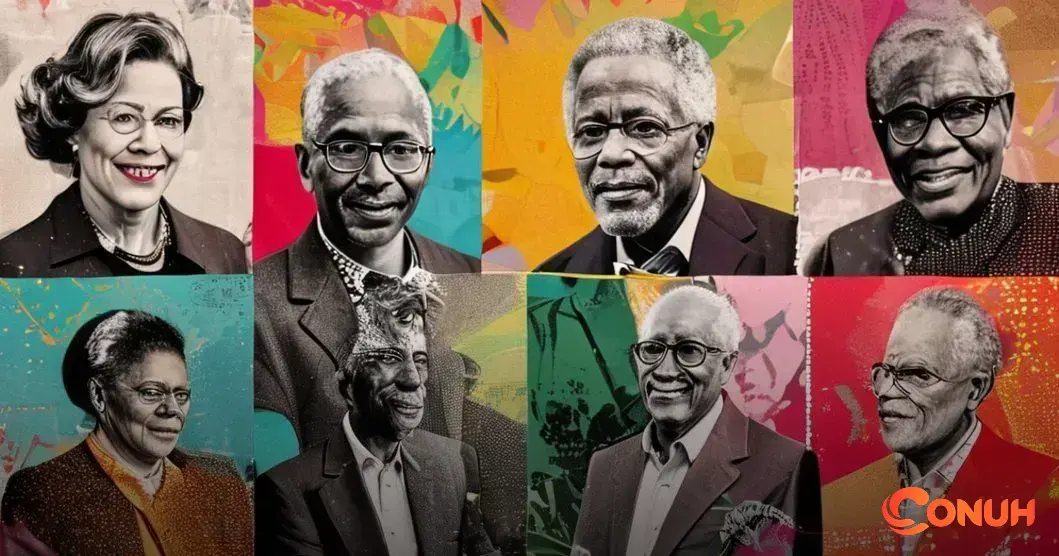
One case study of effective soft-power leadership is Jacinda Ardern, the former Prime Minister of New Zealand. Her empathetic approach during crises, such as the Christchurch mosque shootings, showcased her ability to unite people through compassion and understanding. By prioritising clear communication and inclusiveness, she strengthened trust in her leadership.
Another example is Satya Nadella, CEO of Microsoft. Nadella transformed the company culture by promoting collaboration and innovation rather than competition. His focus on empathy and a growth mindset has revitalised Microsoft, making it a more adaptive and successful organisation.
Lastly, Nelson Mandela serves as an iconic example of soft-power leadership. His commitment to reconciliation and dialogue after apartheid in South Africa highlights the power of empathy and forgiveness. Mandela’s approach brought together a divided nation and inspired people worldwide to seek peaceful solutions.
Soft Power in Global Politics
Soft power plays a significant role in global politics by allowing countries to influence others without using force. Nations often use cultural exchange, education, and diplomacy to create strong ties with other countries. This approach helps build relationships based on mutual respect and understanding.
For example, countries like Japan and South Korea have successfully used soft power through their pop culture, such as music, films, and fashion. These cultural exports create a positive image abroad and foster goodwill among nations, making diplomatic relations easier and more effective.
Additionally, international organisations and non-profits often rely on soft power to promote global issues like human rights and environmental protection. By encouraging collaboration and dialogue, these efforts unite countries around common goals, leading to a more peaceful and cooperative world.
Developing Soft-Power Skills
Developing soft-power skills begins with improving communication abilities. Leaders need to express their thoughts clearly and listen actively to others. This helps them connect with people and build strong relationships based on trust and understanding.
Another important skill is empathy, which allows leaders to understand and share the feelings of others. When leaders show genuine concern for their team members, they create a supportive environment. This encourages collaboration and motivates everyone to work towards common goals.
Lastly, being adaptable is a crucial soft-power skill. In a fast-changing world, leaders need to respond to different situations effectively. By remaining flexible and open to new ideas, they can inspire innovation and guide their teams through challenges successfully.
Challenges in Implementing Soft Power
Implementing soft power can be challenging due to the need for trust and relationships. Building strong connections takes time and effort. Leaders may find it hard to engage their teams fully if they haven’t established this foundation of trust, which can limit the effectiveness of their soft-power strategies.
Another challenge is the resistance to change. Some individuals may prefer traditional methods of leadership that rely on authority and control. These established habits can make it difficult for leaders to introduce soft-power techniques, creating friction within teams or organisations.
Moreover, measuring the success of soft-power initiatives can be tough. Unlike hard power, where outcomes are often clear and immediate, soft power requires time to show results. Leaders may struggle to demonstrate the benefits of their approach, making it hard to gain buy-in from others.
Future Trends in Leadership Methods
Future trends in leadership methods are likely to emphasise the importance of emotional intelligence. Leaders will need to understand their own emotions and those of their team members better than ever. This skill will be crucial for creating supportive environments where collaboration and creativity can thrive.
Another trend is the focus on inclusive leadership. As workplaces become more diverse, effective leaders will need to embrace and celebrate different perspectives. This means cultivating an atmosphere where everyone feels valued and heard, helping teams work more effectively together.
Finally, technology will play a big role in shaping future leadership styles. Leaders will need to adapt to new tools like artificial intelligence and virtual collaboration platforms. These technologies can enhance communication and decision-making, making soft-power methods even more impactful in guiding teams toward success.